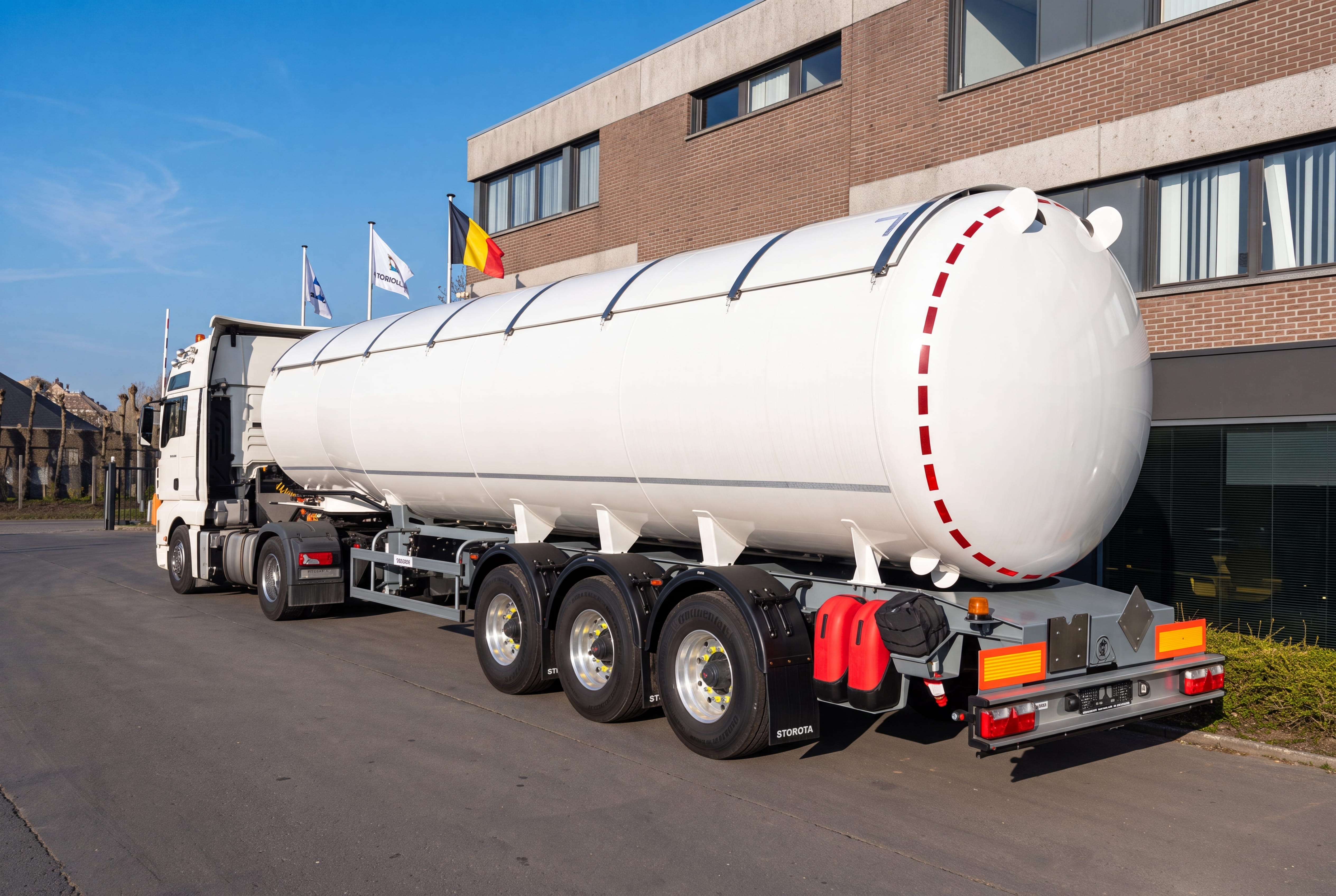
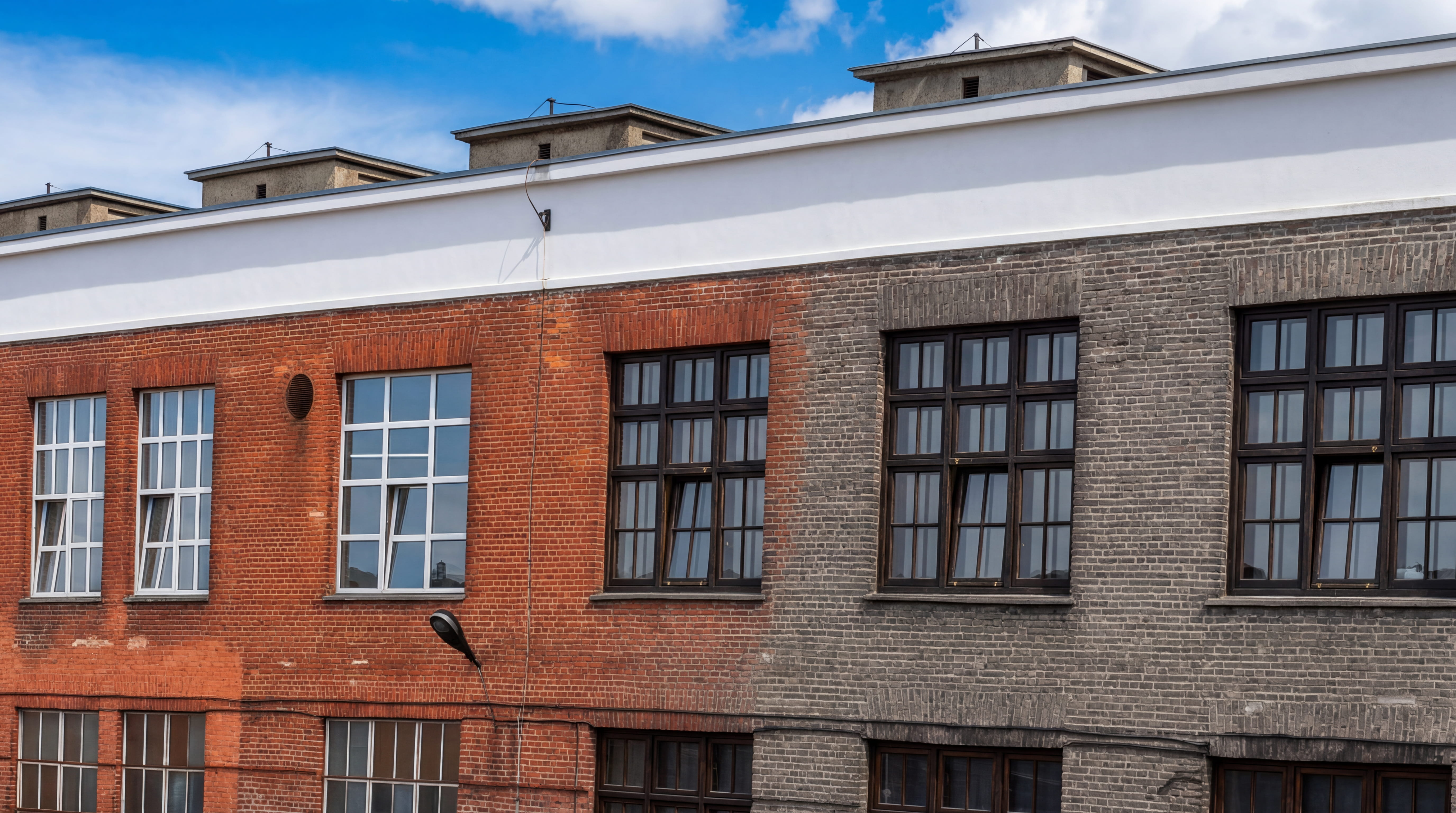
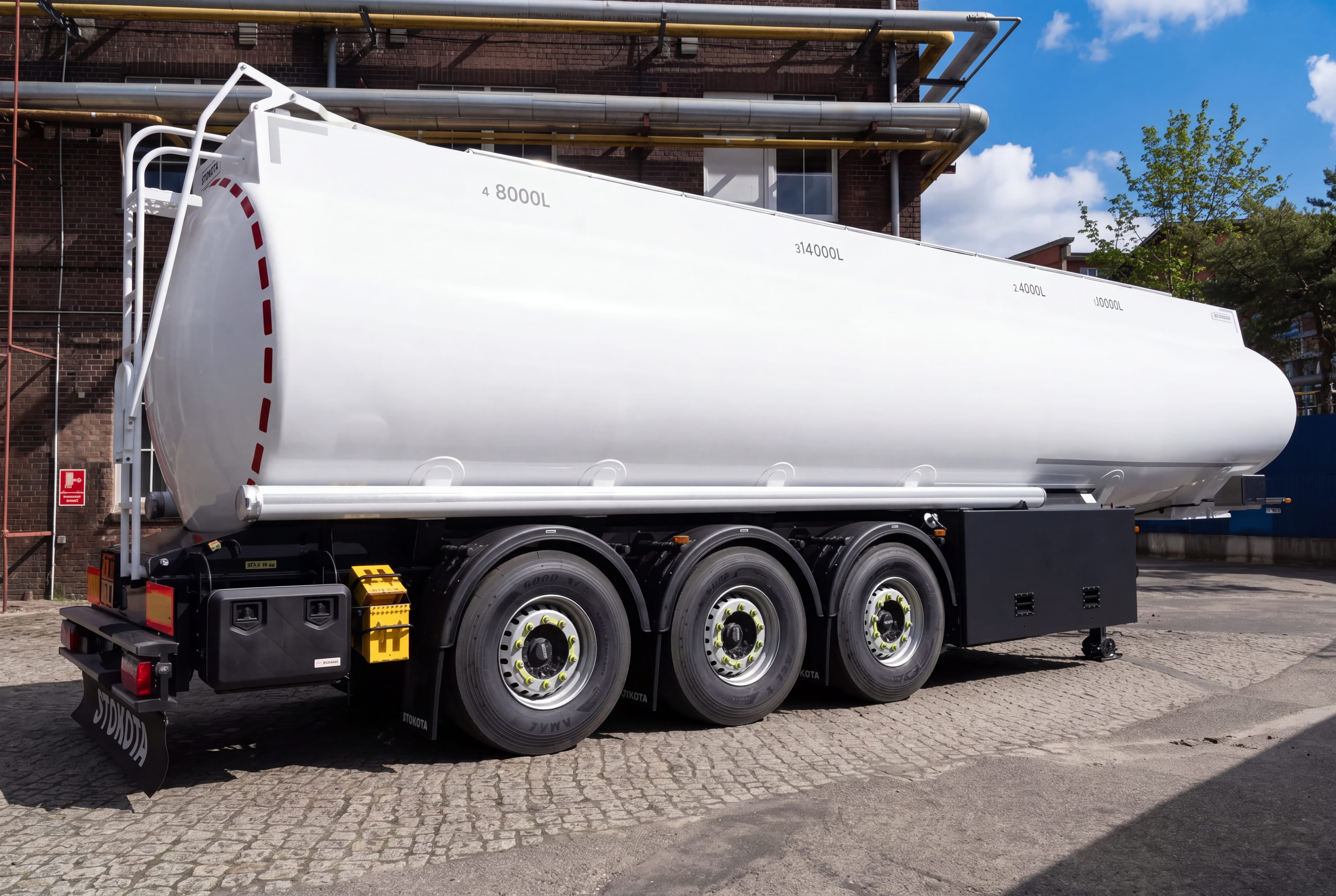
Every morning, as we pass by the imposing structure of Hall A21, we see it as a place of industry. Today, it is a modern workshop where dished heads are manufactured and heavy-duty freight elevators operate daily. Yet, behind its walls lies a story that stretches far beyond today’s machinery – one that connects this space to one of the most dramatic chapters of European history.
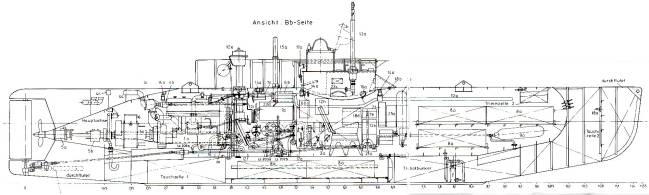
Back in World War II, Hall A21 was part of the legendary Schichau-Werke shipyard. It was here that engineers and workers built the Seehund-class midget submarines – small, two-man submarines designed for stealth and precision. Despite their compact size, these submarines carried two torpedoes and represented an innovative leap in naval warfare. Hard to detect, mobile, and lethal, the Seehund was one of the most advanced constructions of its time.
But the hall was not just a production site. Hidden within its structure are air raid bunkers, built to protect the shipyard’s workforce from bombardments and potential structural collapse. These bunkers remind us how deeply war shaped industrial architecture, where not only machinery but human survival had to be engineered into the fabric of a workplace.
Fast forward to the present: Hall A21 no longer serves the needs of wartime fleets but has transformed into a hub of modern industry and innovation. The echoes of clanging steel and roaring machines still resonate – only now, they are tied to building the future, not fueling the past.
These bunkers contained food storage rooms, toilets, rooms and corridors, which had their own independent hatches leading to the surface.
It is also worth remembering the events that contributed to the current appearance of hall A21. When the Soviet army left Elbląg, the factory was looted, with the most valuable machines and equipment being taken away. To do this, walls inside and outside the building were often demolished – today, the effects of this can be seen in the changes in the colour of the bricks on the building.
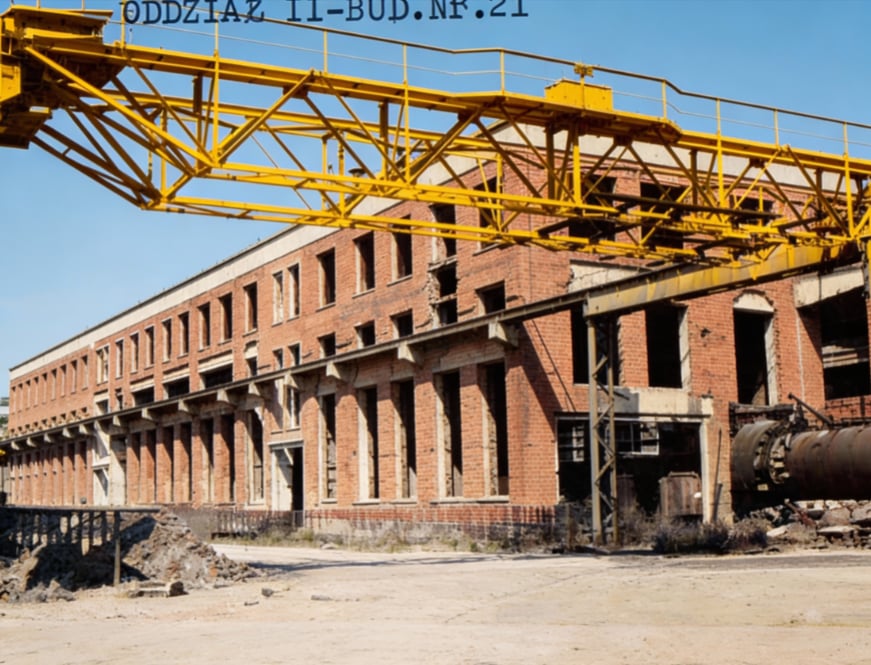
What makes Hall A21 so fascinating is the way its walls tell two very different stories. On the one hand, they carry the weight of history – a reminder of how industrial might was once directed toward conflict. On the other, they stand as a symbol of progress, resilience, and reinvention.
At Stokota, we believe places like Hall A21 are more than production spaces – they are living monuments. They remind us that every innovation we create today is built on the foundations of yesterday. Understanding that legacy doesn’t hold us back – it inspires us to look forward with greater awareness, creativity, and responsibility.
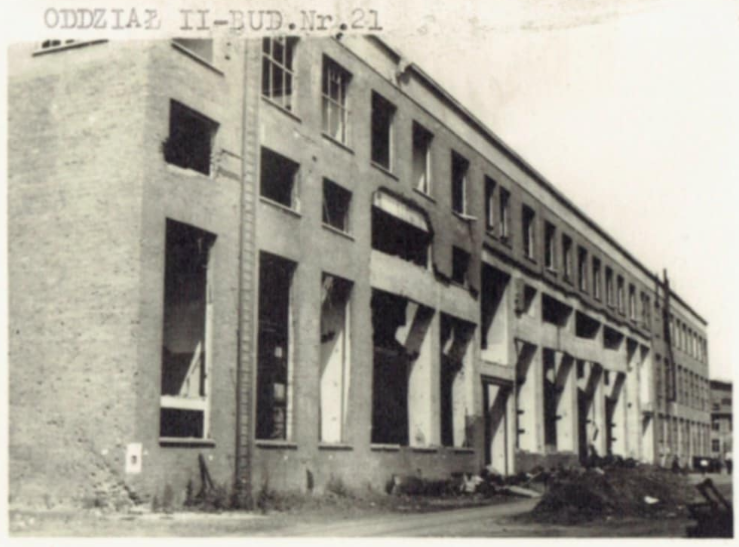
Because the true secret of Hall A21 is not just what was once built here. It’s the proof that history and innovation can share the same roof – and together, shape the future.


.jpg)