The transport of gas and fuel is defined by precision, regulatory discipline and long-term reliability. It is a field where engineering quality directly influences operational safety, environmental responsibility and continuity of supply. As energy and industrial sectors evolve, constructors of specialized transport equipment are increasingly expected to deliver solutions that meet complex technical requirements while remaining adaptable to changing regulations and operating conditions.
Designing and manufacturing equipment for hazardous materials involves more than structural strength or capacity. It requires a thorough understanding of material behaviour, fluid dynamics, certification frameworks and serviceability over the entire lifecycle of the vehicle. Decisions made at the design stage affect not only performance in daily operation, but also maintenance efficiency, compliance across markets and the durability of equipment exposed to intensive use.
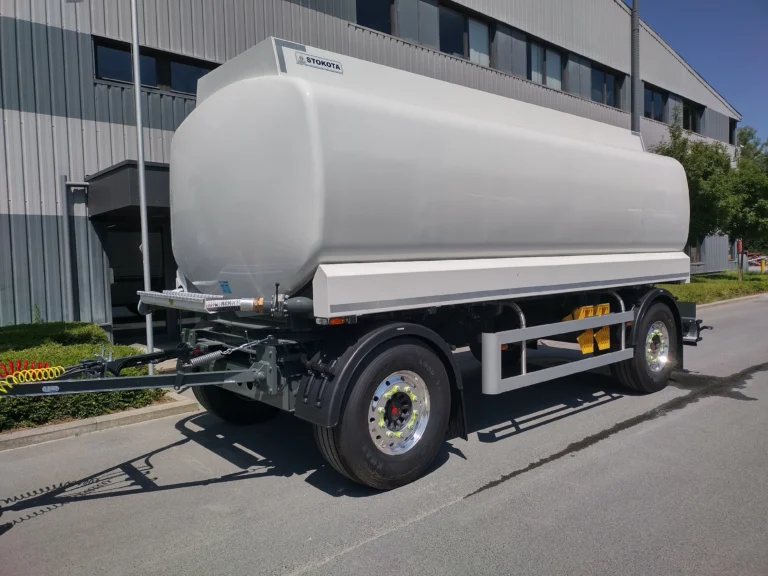
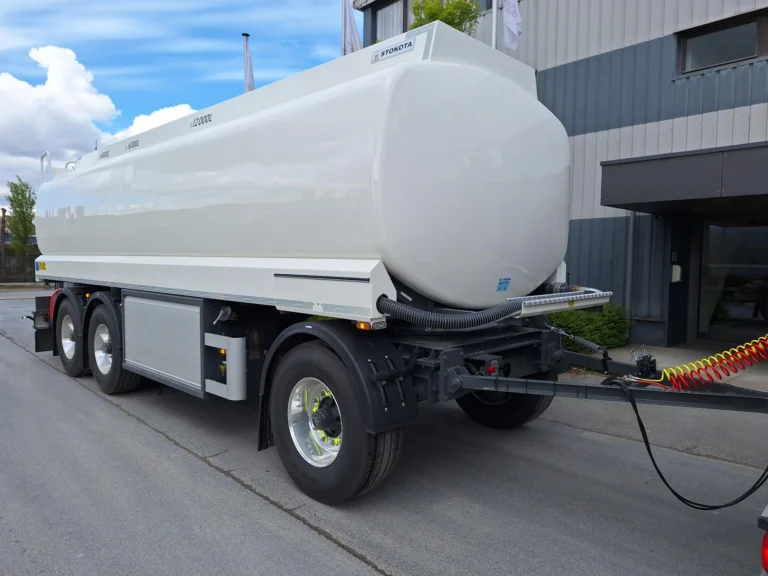
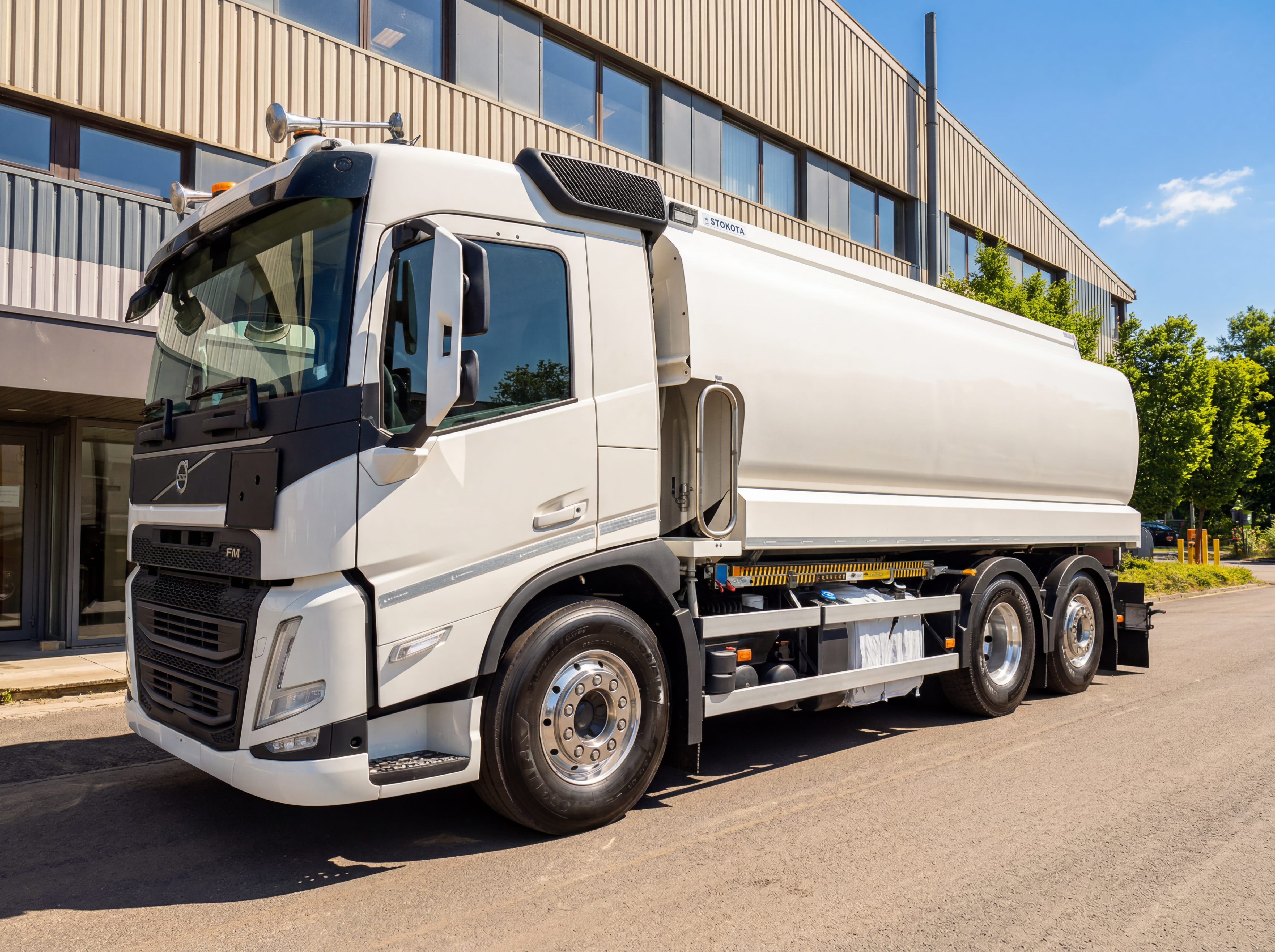
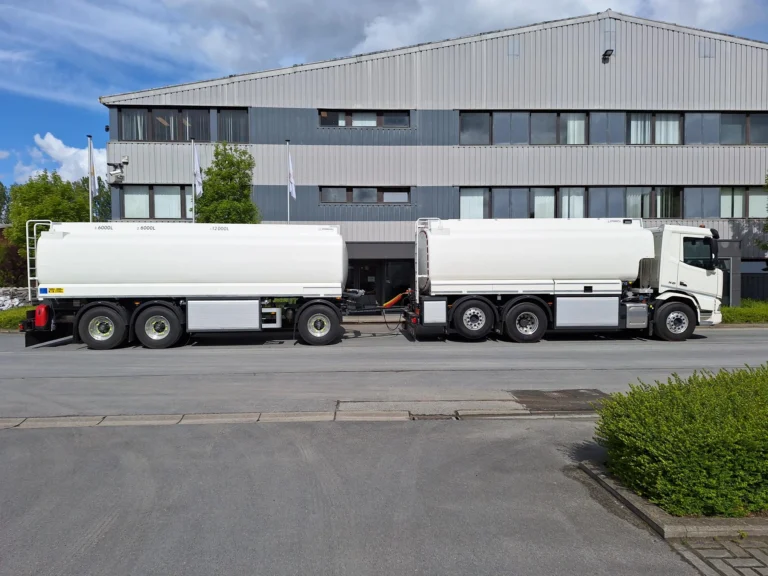
We invite you to view a presentation of Stokota – what we do best – building and servicing aerial, road and defence tankers.
It all began in 1963.
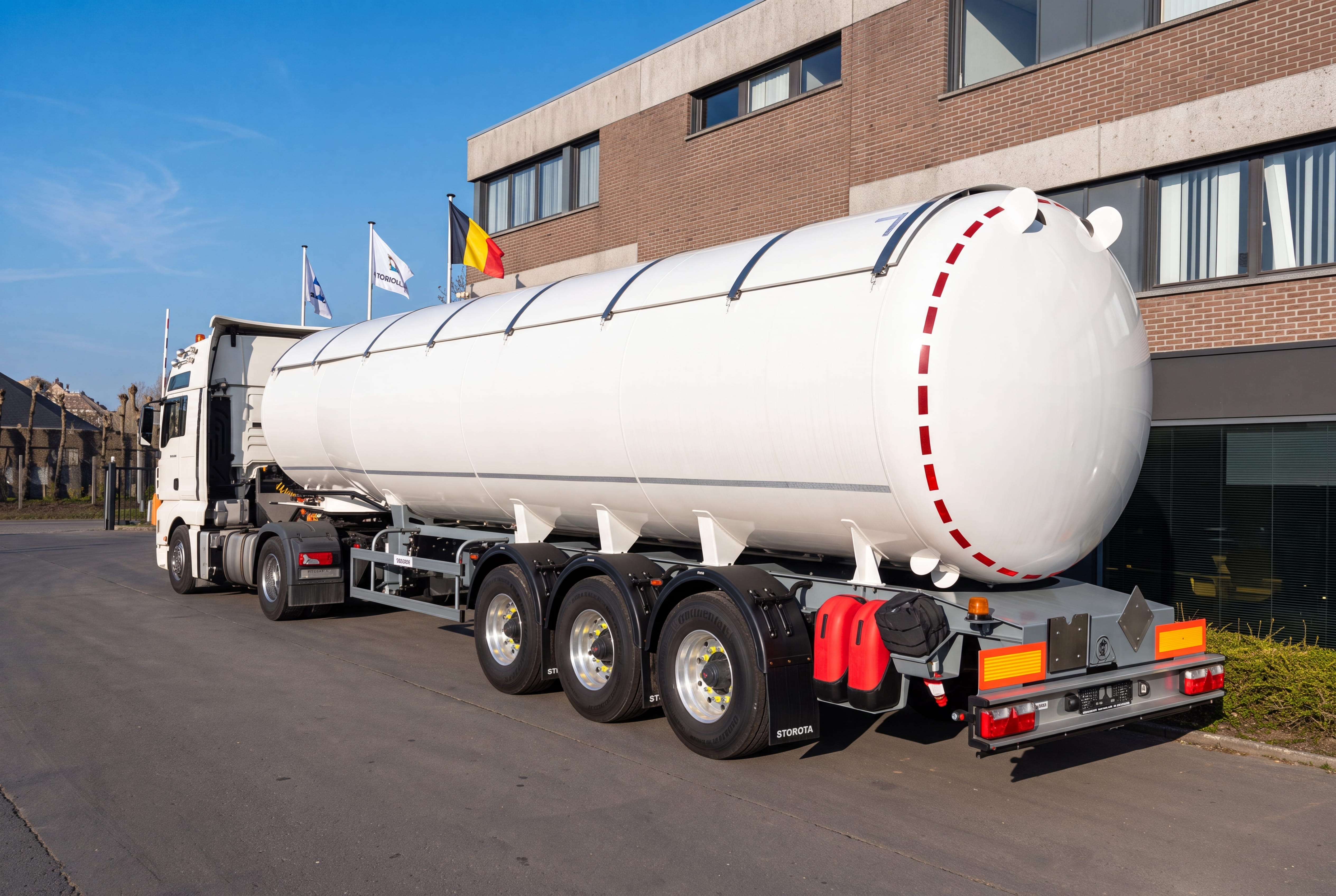
The company was established in Belgium with production of underground fuel tanks for domestic heating oil, hence the abbreviation “STOKOTA” which is derived from the Dutch word “STOOKOLIETANKS”. The company expanded rapidly and developed quality welded storage tanks. In 1967 the company started manufacturing road tankers, a market in which, over the years, Stokota quickly became a leading specialist in the Benelux region.
The nineties were charaterized by the diversification into environmental vehicles (vacuum tank units and combination units used for waste transport and industrial and city cleaning). There was a stronger focus on the export market.
In 1996 the first Polish branch was founded in Kielce. In 1998 competitor EKW was acquired and Stokota diversified into the construction of special trailers.
In 2000 CIME, in Raismes in the north of France, was acquired, further widening Stokota’s geographical spread. The Polish branch was further extended by a second production plant in Elblag in 2001.
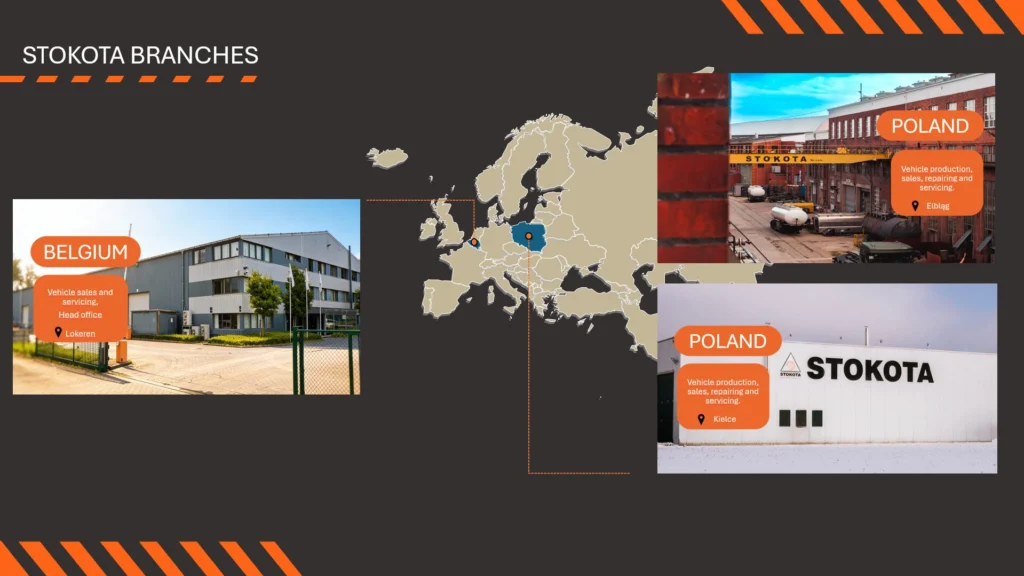
The largest branch, which also has the largest processing capacity, is located in Elbląg. Is part of the legendary Schichau-Werke shipyard. It was here that engineers and workers built the Seehund-class midget submarines – small, two-man submarines designed for stealth and precision. Despite their compact size, these submarines carried two torpedoes and represented an innovative leap in naval warfare. Hard to detect, mobile, and lethal, the Seehund was one of the most advanced constructions of its time.
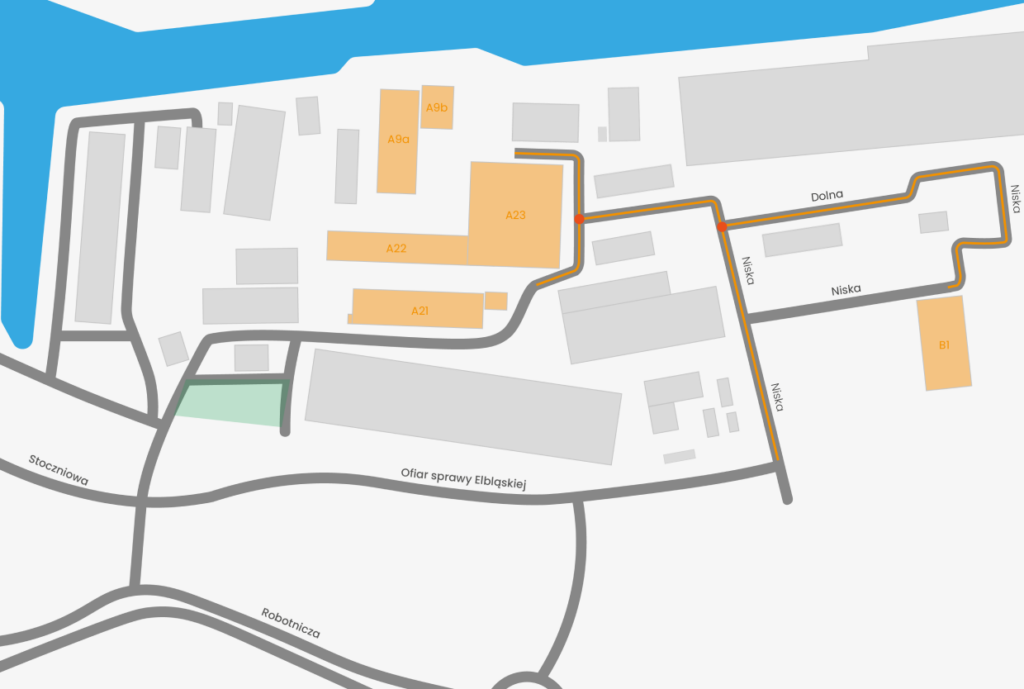
Currently, the adapted office and production areas are located in a total of five buildings by the Elbląg River and one warehouse, which is used to store materials intended for further production. Their location on the site of the former shipyard is shown on the map below, together with directions from Niska Street.
We have put down roots! However, we are constantly developing. In 2016, one of Stokota’s latest and newest departments was established in Elbląg. The Aviation Fuelling department focuses on aircraft refuelling vehicles and other components for ground support at private and commercial airports around the world.
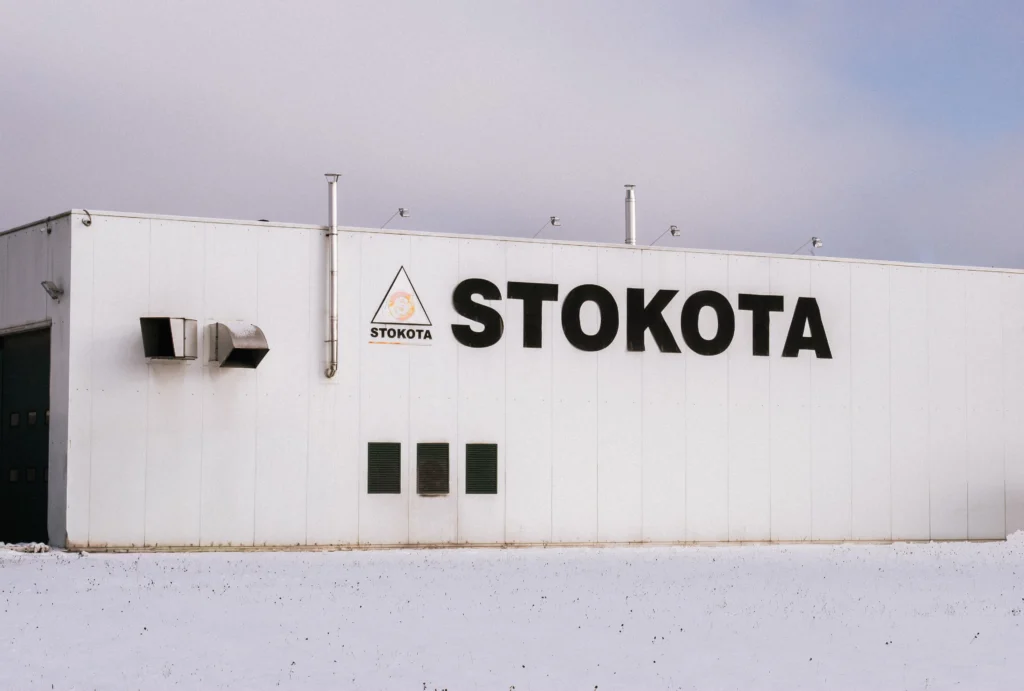
The branch in Kielce was the first to be established in Poland. Initially a small hall on a large plot of land, it began a period of rapid expansion and development. New production wings were added, a driveway paved with cobblestones was built, an additional tent hall was erected, and a section for white-collar workers was created, complete with all the necessary technical facilities.
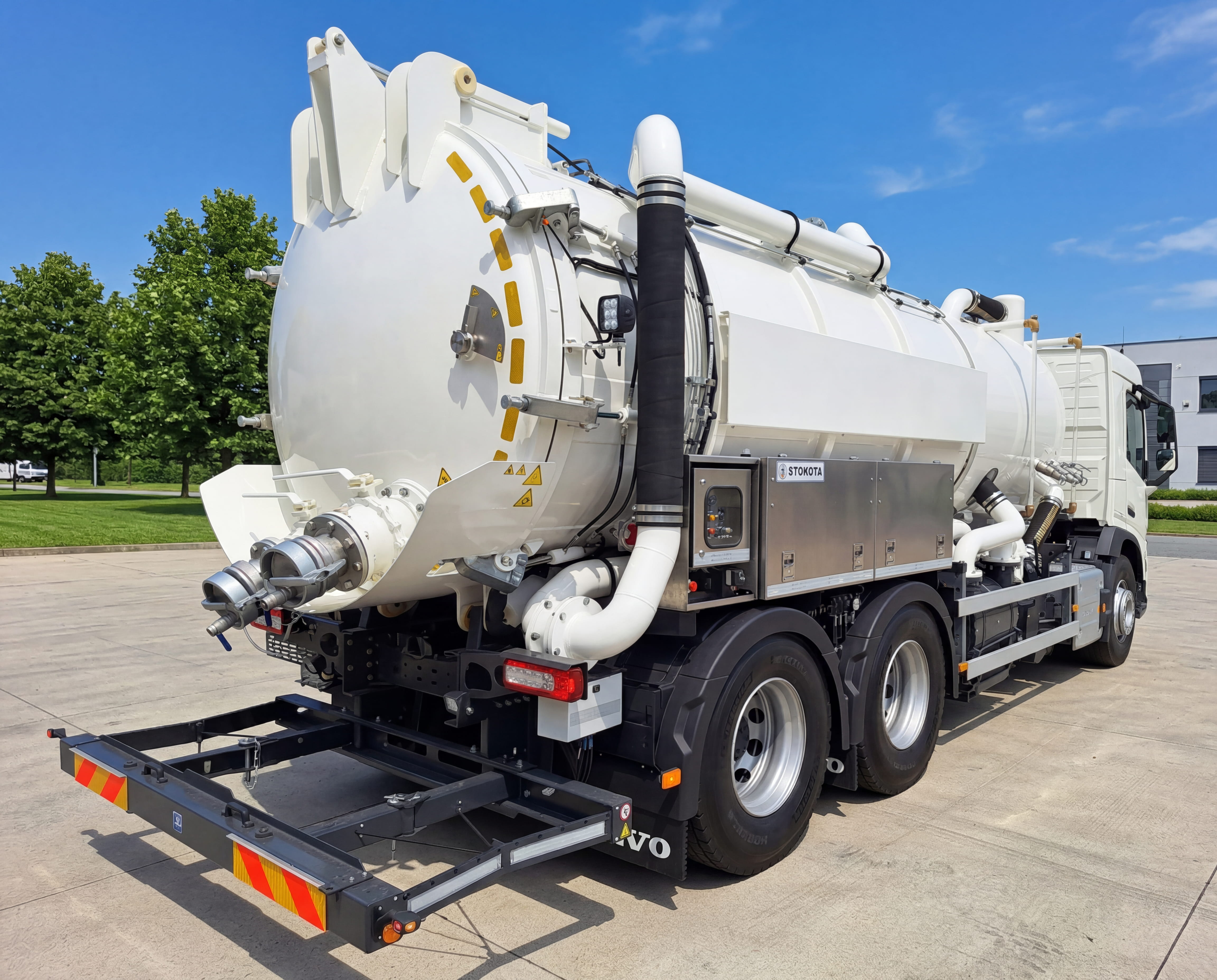
The branch in Kielce specialises primarily in the finishing of all types of tanks. Above all, its strongest point is the production of specialised vehicles – those for transport and work in difficult conditions such as sewage treatment plants, technical infrastructure facilities and all places where waste and liquid waste are found.
Despite its long period of operation, the hall itself fully fulfils its role, with stations for assembling components, painting them and storing finished vehicles. There are frequent visits between the branches in Kielce and Elbląg by the management, sales representatives and other personnel.
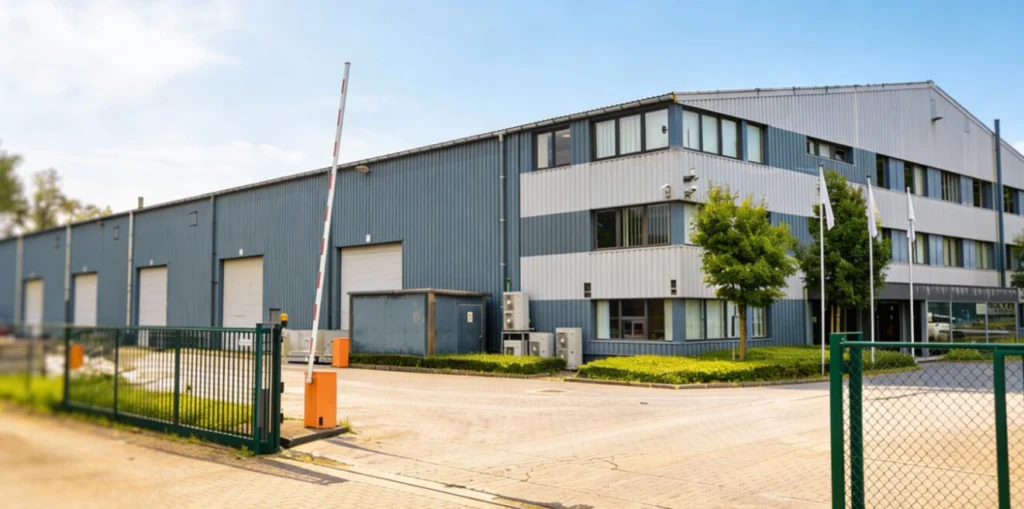
The Lokeren branch specialises primarily in sales to Western European countries. The building shown in the picture below is the headquarters of the management board, together with all engineering and commercial facilities. We will definitely be back later this year with a comprehensive report on our visit to the Lokeren branch!
As the only branch located outside Poland, it is a kind of enclave with which we also have very fast, efficient and good contact when it comes to planning, management and day-to-day operational decision-making.
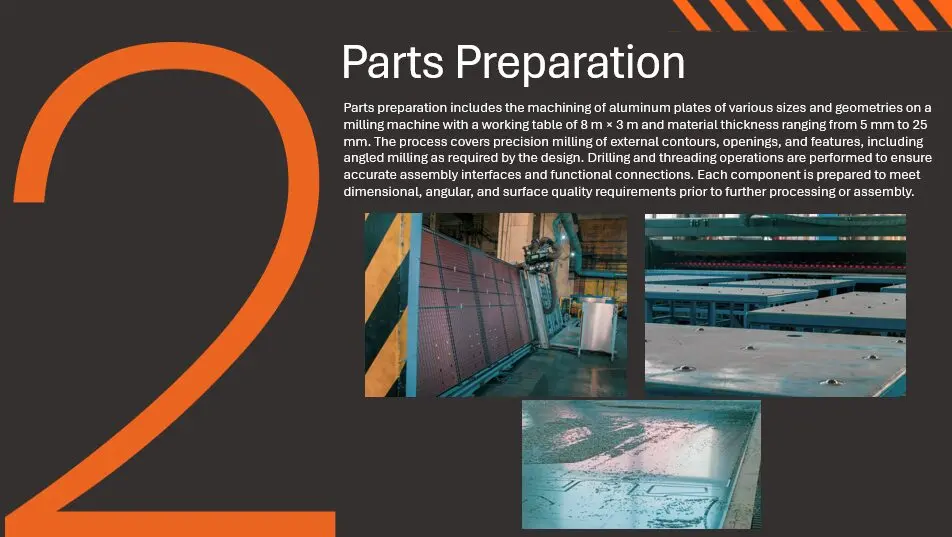
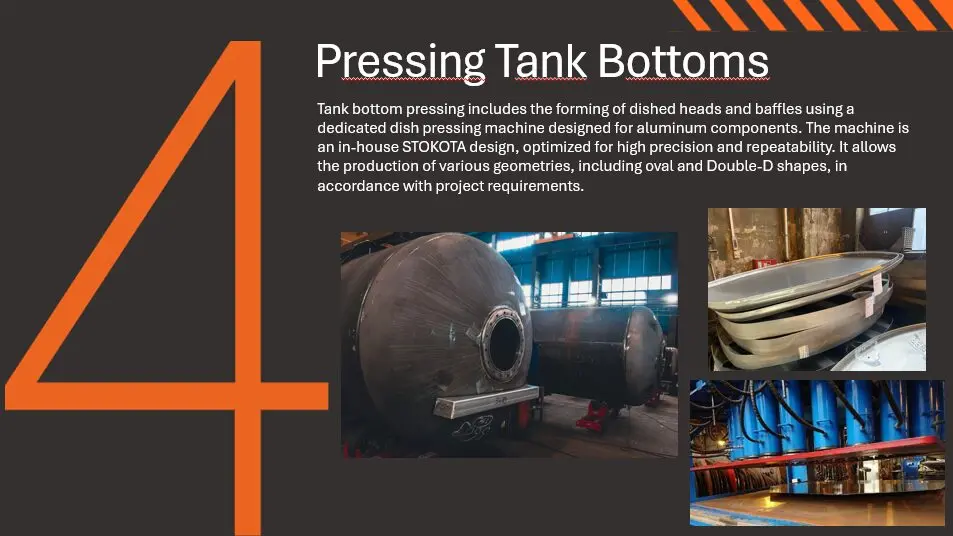
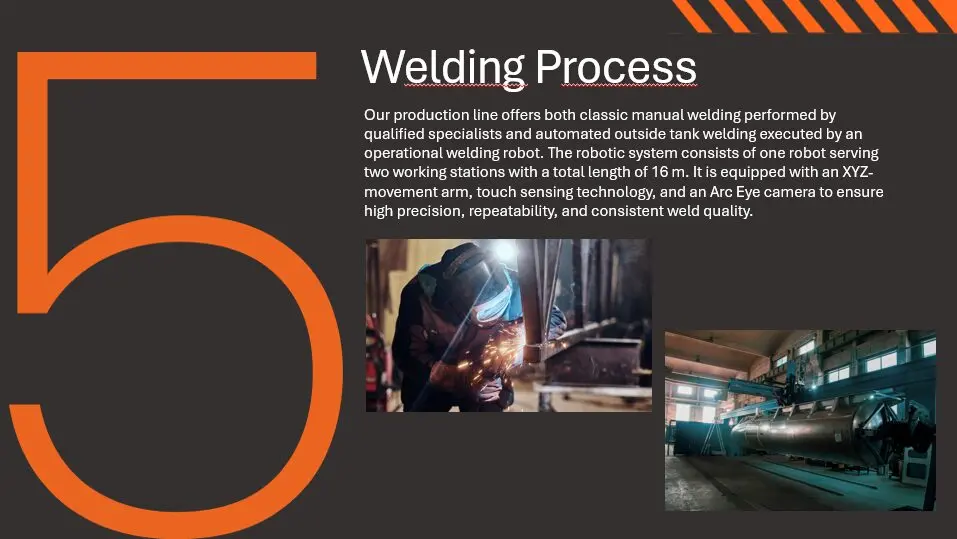
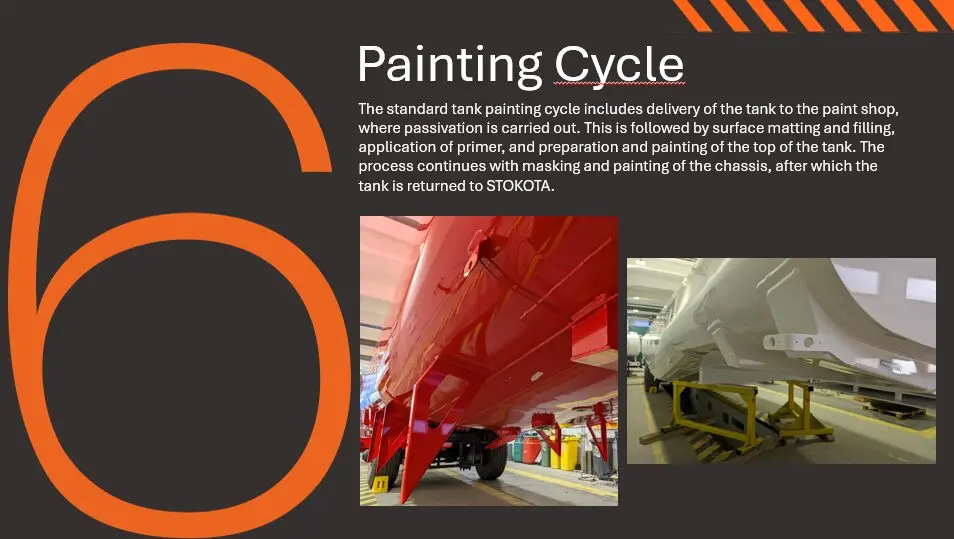
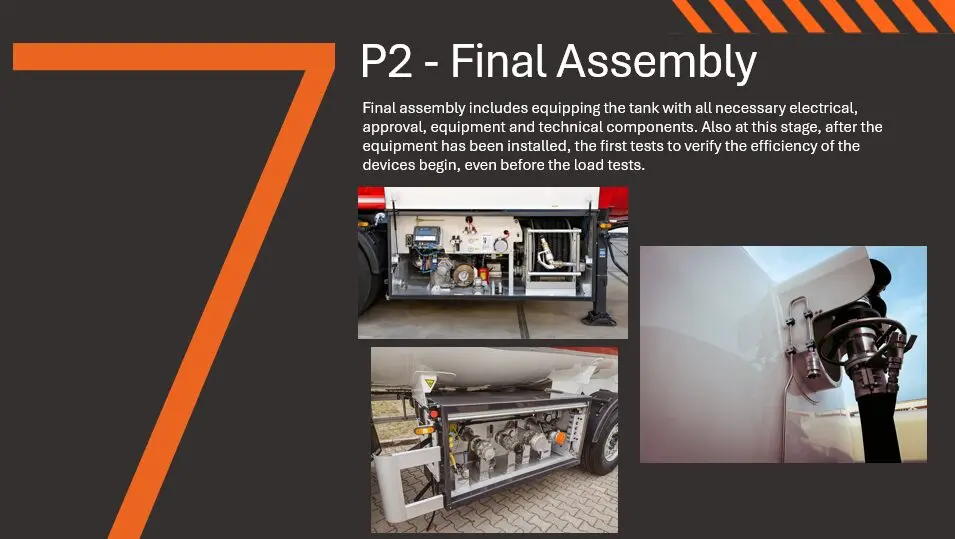
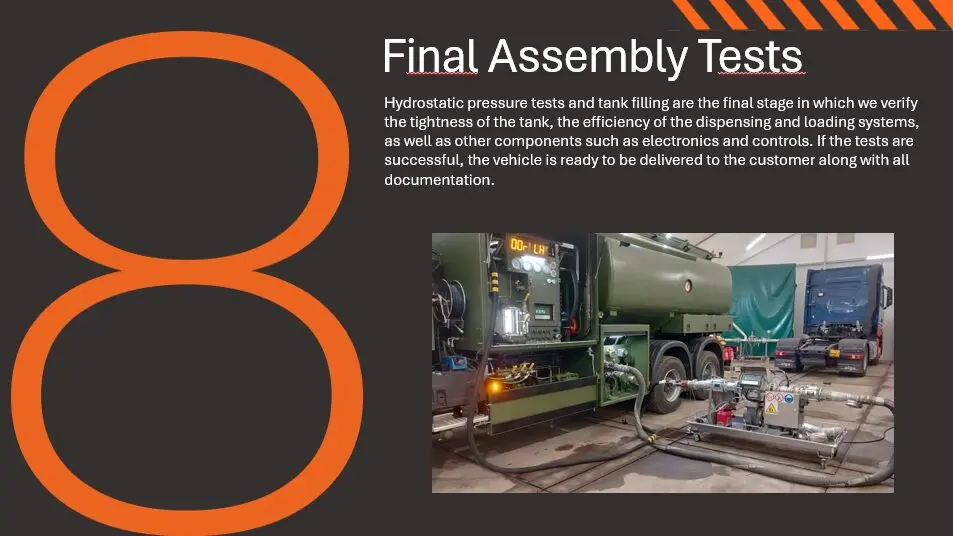
The entire production process, from sheet metal processing, through welding, quality acceptance and final assembly, is 100% located in two production plants in Poland.
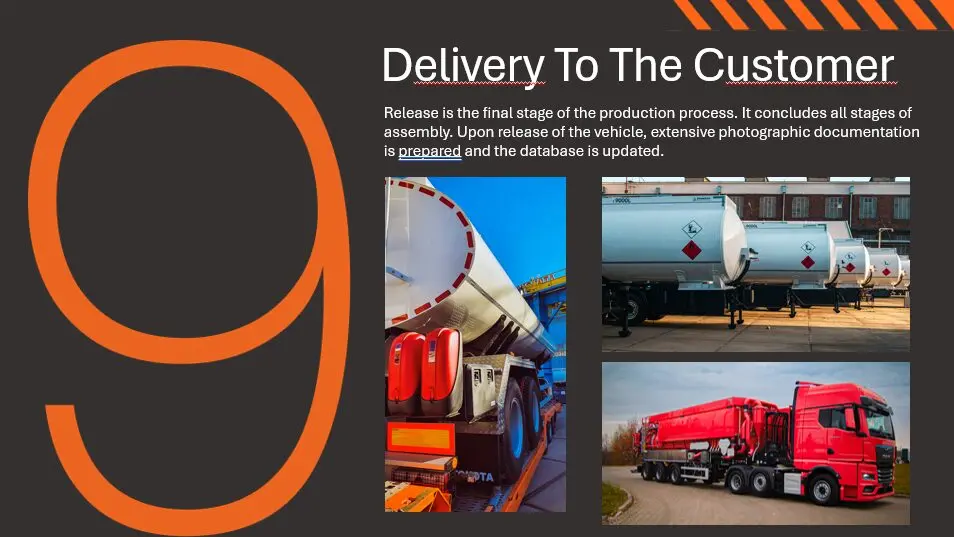
Much has changed since Stokota first entered the market. Technological progress, which companies strive to keep up with, has accompanied us from the very beginning. We realised that any delay or failure to implement changes related to continuous technological progress would adversely affect our production capacity and reduce the quality of our work.
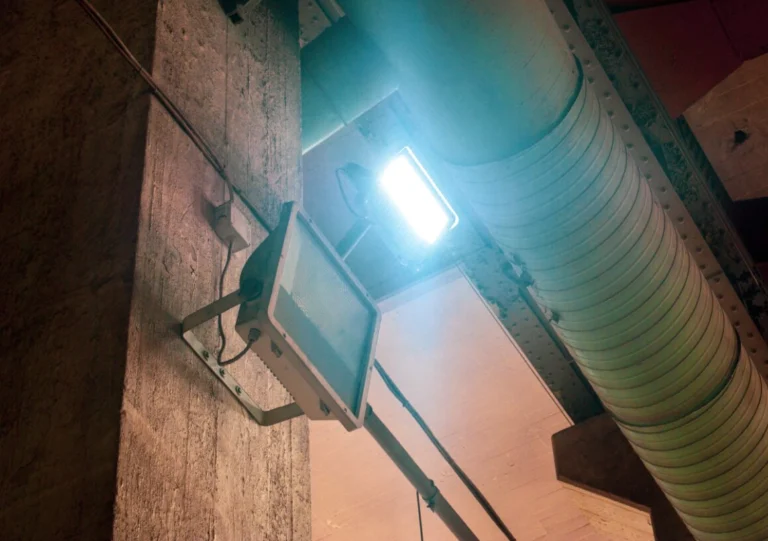
For this reason, we update the company’s needs every year, not only in terms of replenishing current office supplies or components for the construction of tanks. A major modernisation, which took place in stages, was the replacement of lights throughout the company’s premises in Elbląg. All halls now have LED lighting, so that every nook and cranny of the tank is clearly visible.
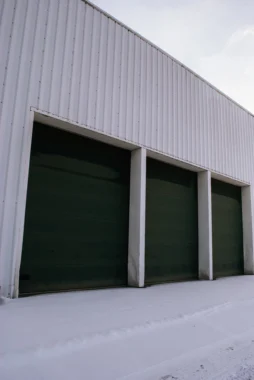
Long before the lights were replaced with LED technology, the opportunity was taken to redevelop the entire manoeuvring area between halls A23 – A22 and A9. The old faults, the old railway tracks leading to the shipyard and the trees that were planted here immediately after the war were removed. In their place, concrete slabs with steel projections were installed, allowing rainwater and melting snow to flow directly into the ground beneath the area.
Major changes have taken place at the plant in Kielce. The site has been tidied up, allowing the hall to be expanded by one additional work box without the need for extension. These small measures have increased productivity several times over on an annual basis.
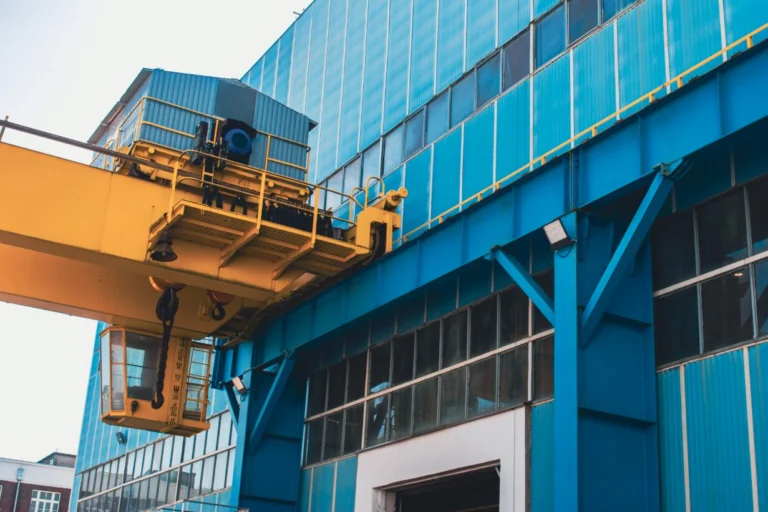
Equipment that is heavily used on a daily basis is also subject to ongoing maintenance. Regular inspections and approvals allow us to use it continuously without having to make contingency plans. Such measures mainly concern overhead cranes, which are located in every production hall, as well as outside them on the premises.
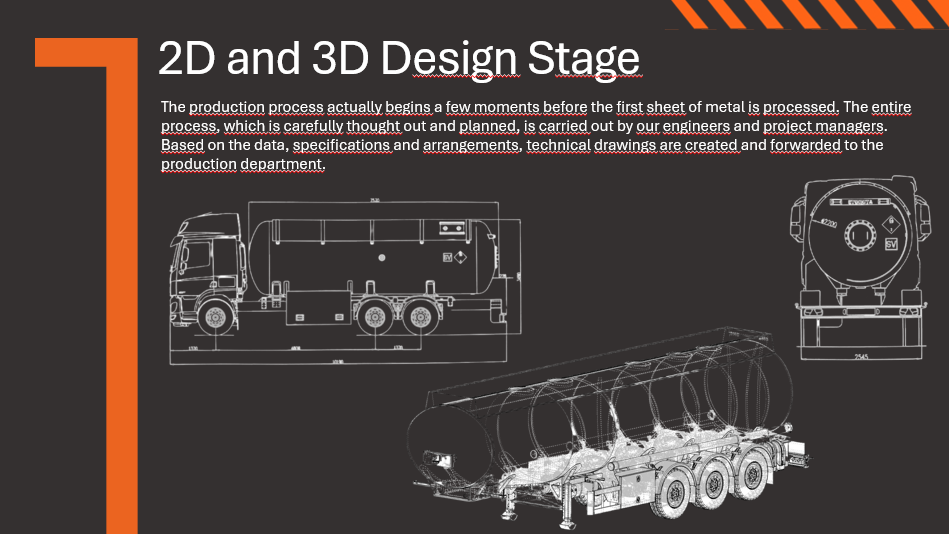
Every production plant collects the results of its work. These often include photographs, press materials, and fragments of finished products. Based on extensive technical documentation, we are able to create realistic 3D models as early as the production planning stage.
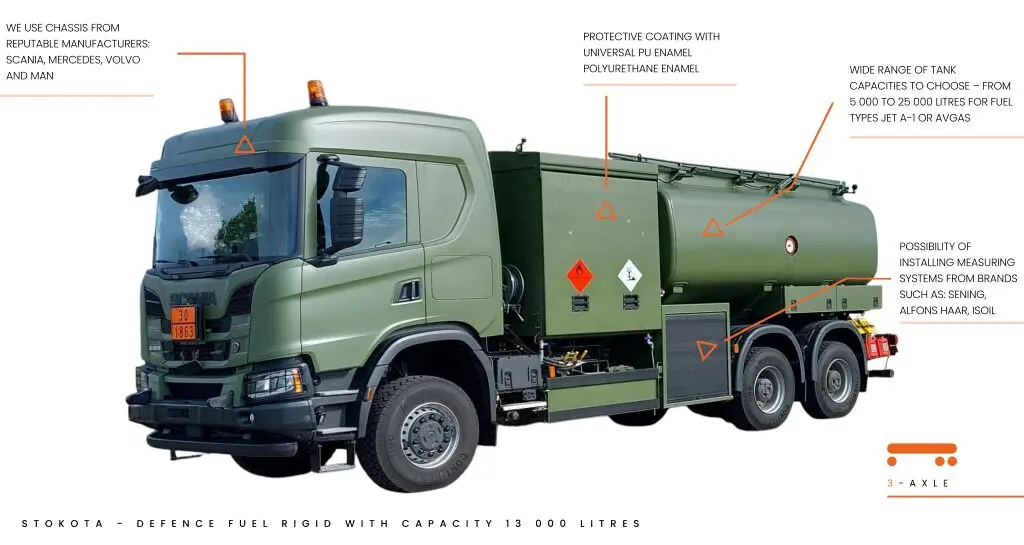
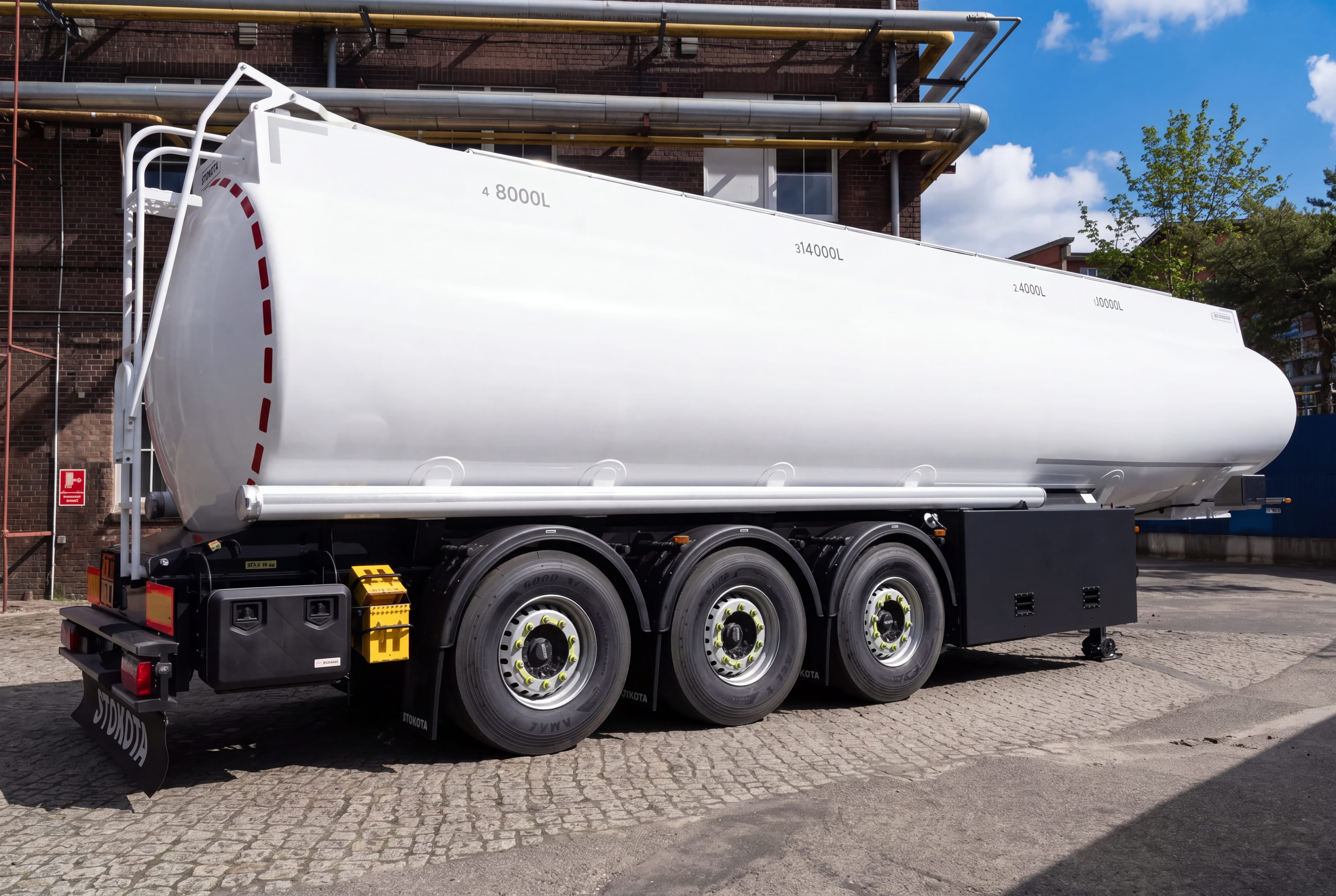
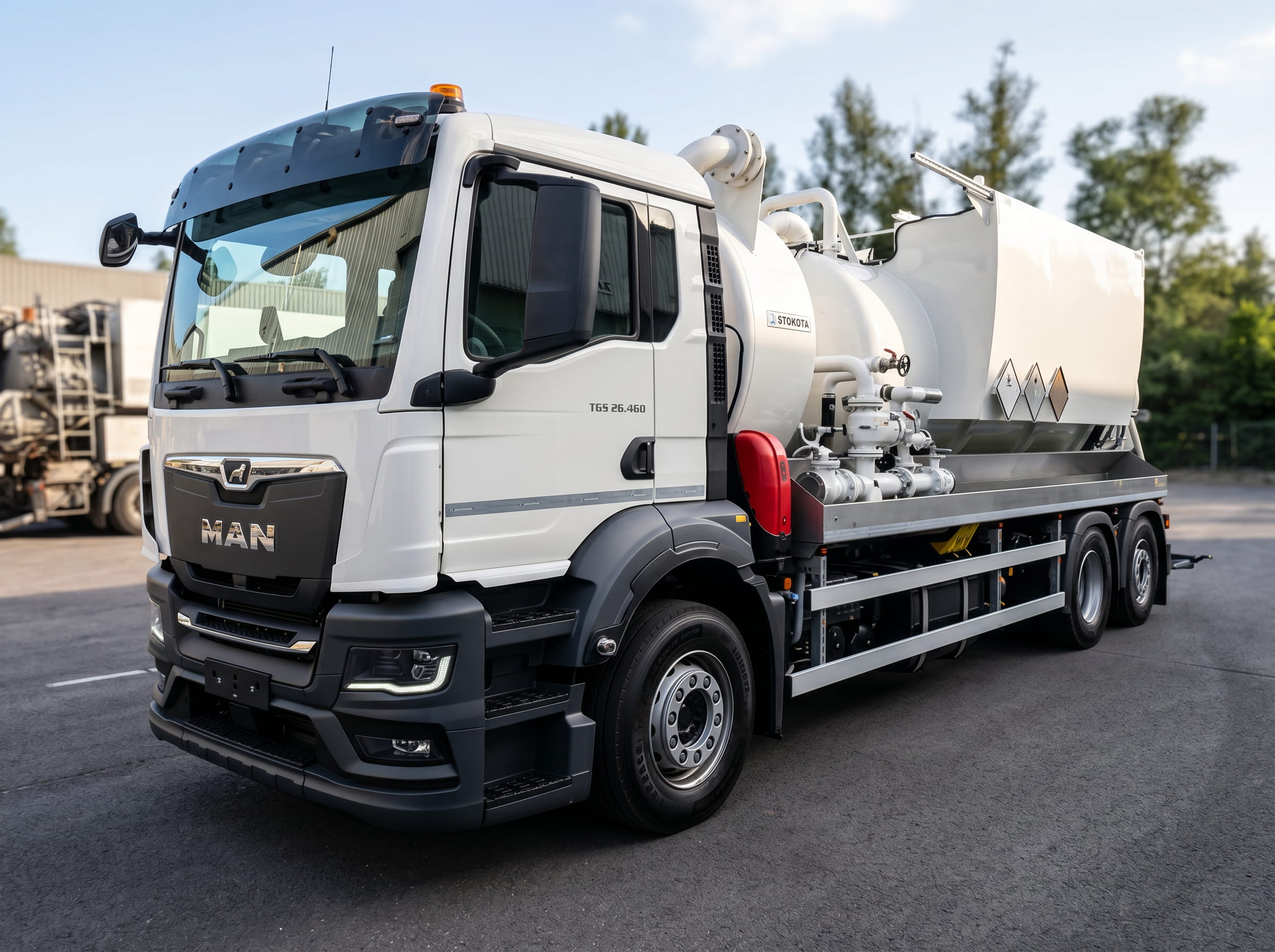
However, the vehicles that we photograph, describe and preserve can be used for a general presentation of what we are actually capable of producing. Below you will find examples of vehicles from each division, along with their descriptions and characteristics.
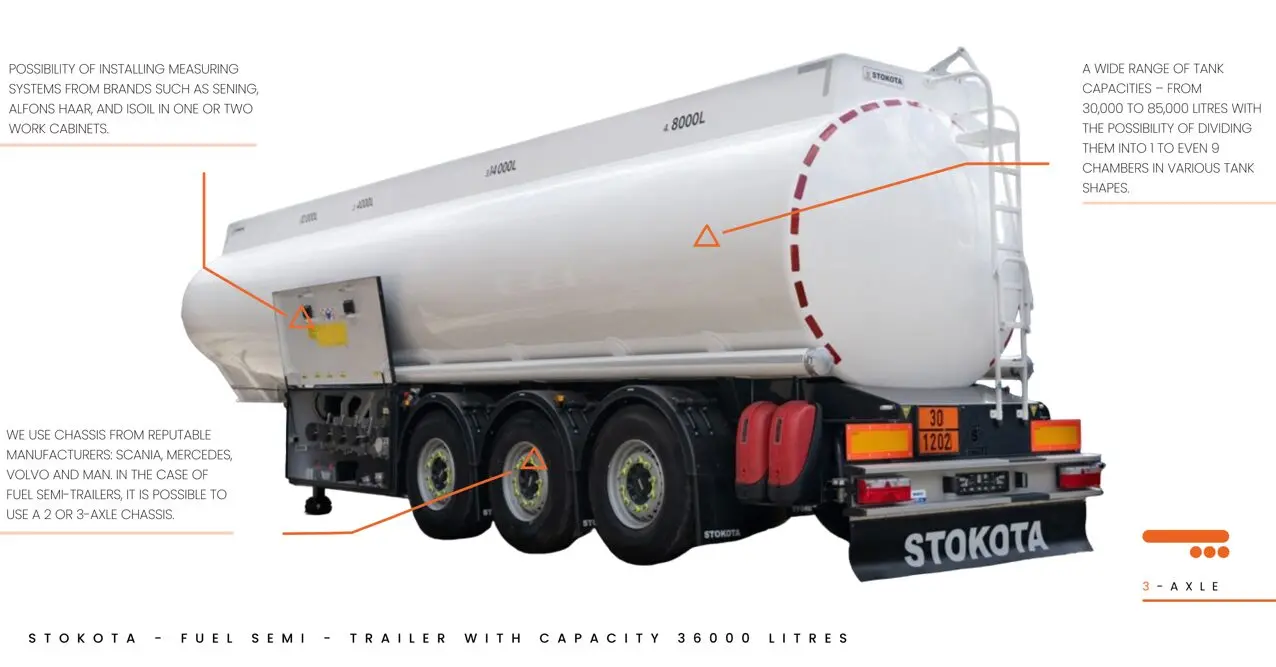
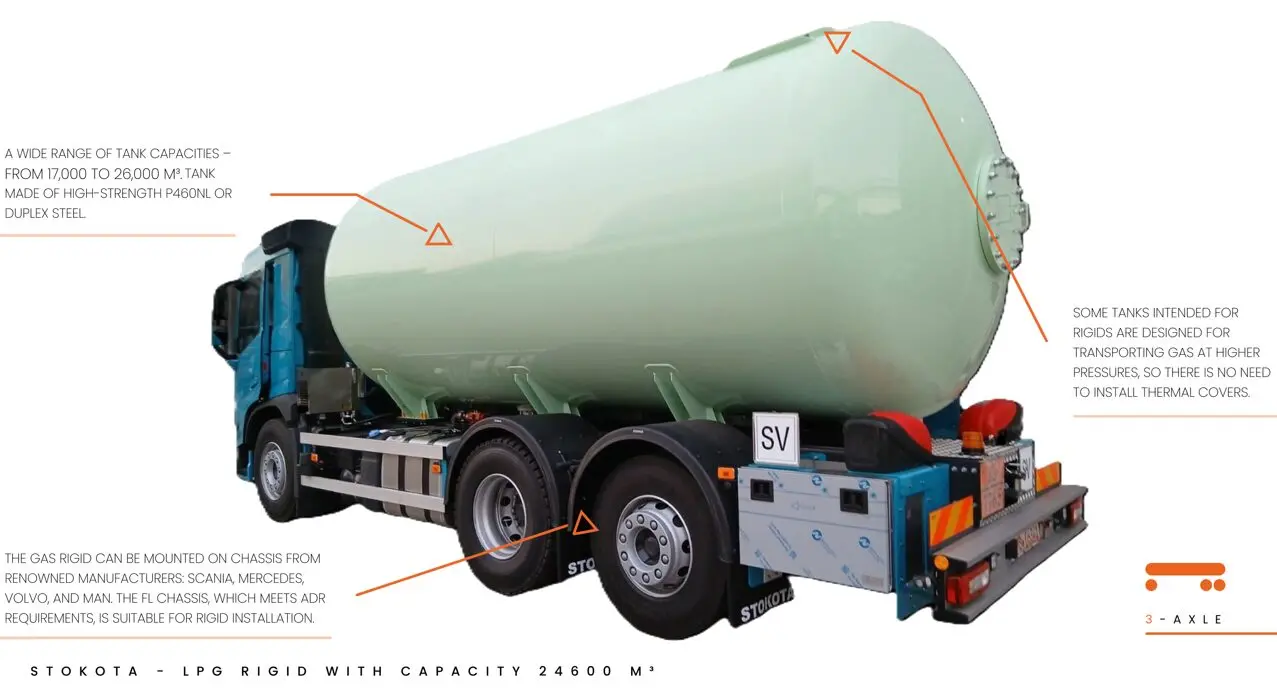
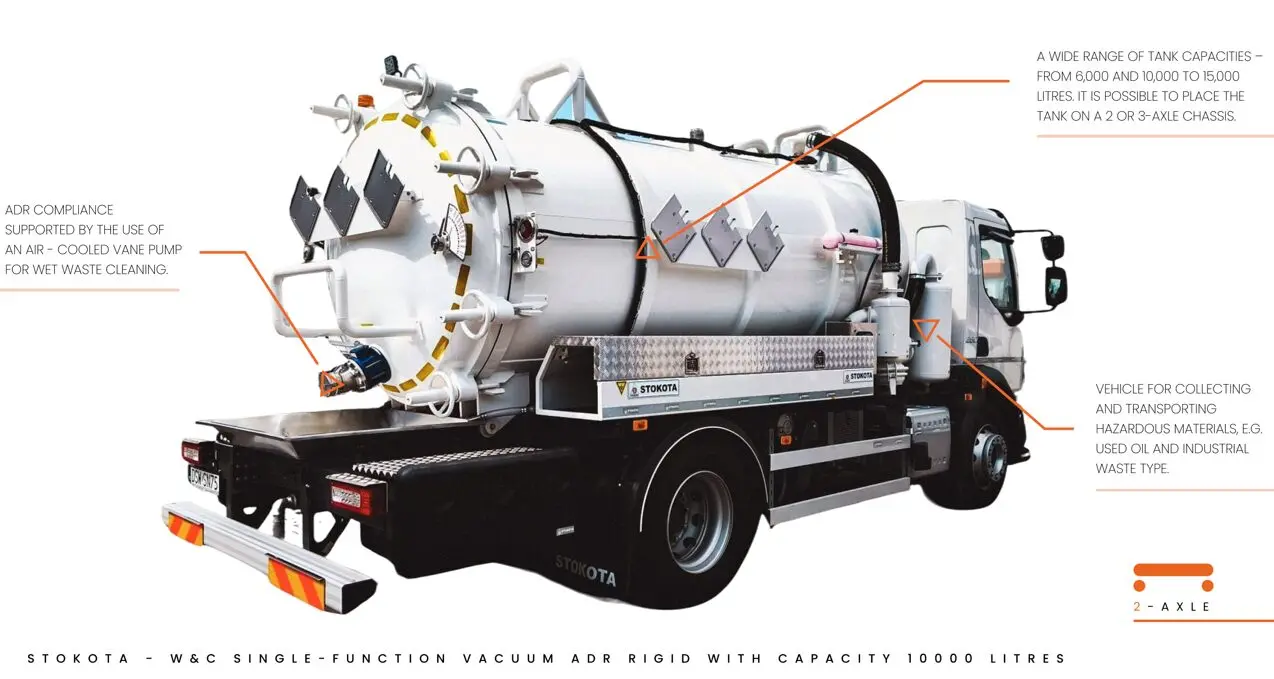
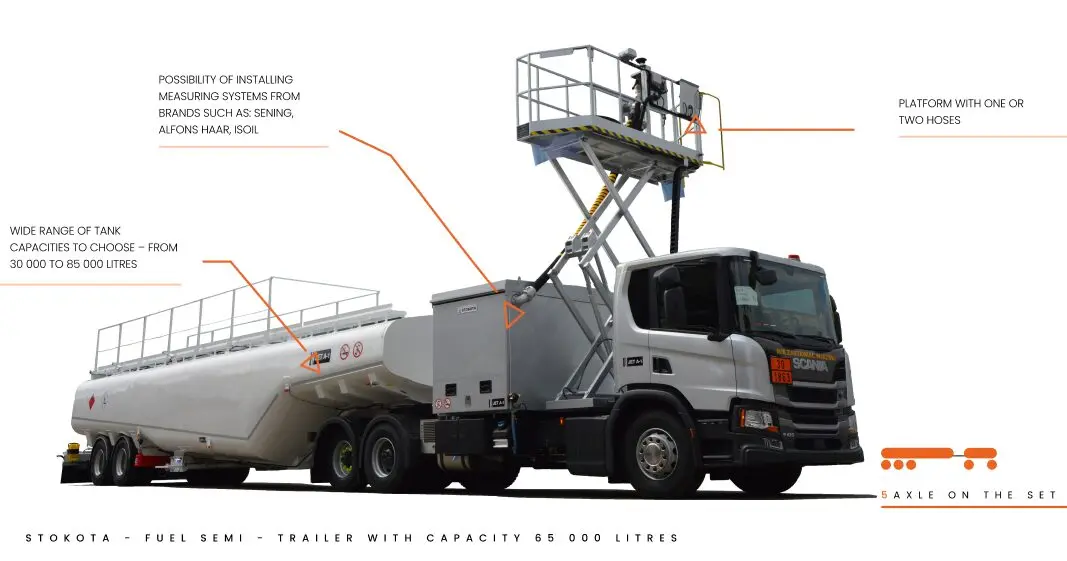
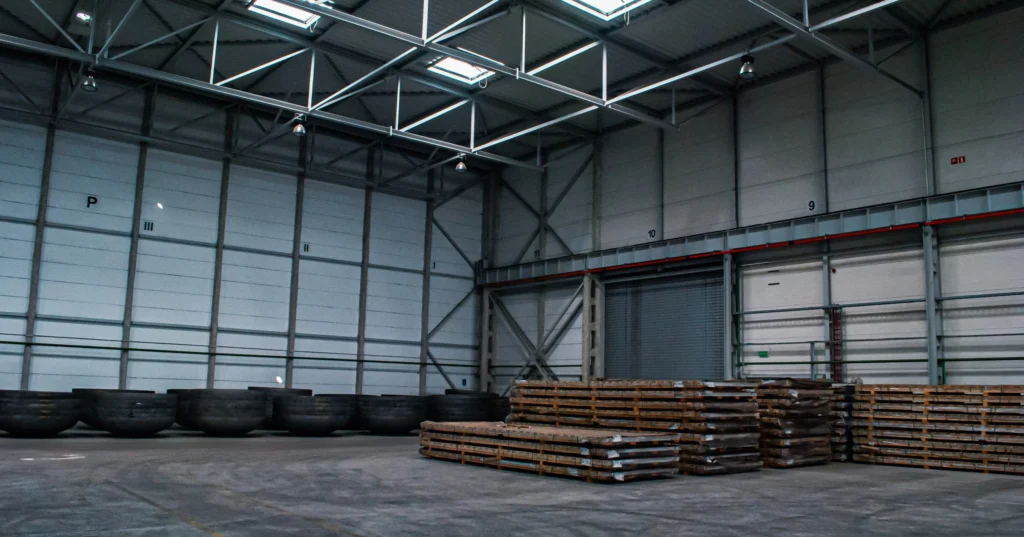
An efficient logistics and storage base plays a crucial role in ensuring continuity of production, flexibility in material management, and smooth acceptance of component deliveries. That is why we are pleased to highlight our warehouse space, which allows us to efficiently handle incoming supplies for production. The warehouse is located on the right side of the entrance to the plant area, outside the main premises of our headquarters in Elbląg. This additional space significantly strengthens our operational background and supports further growth by improving logistics, organization, and readiness for ongoing and future projects.
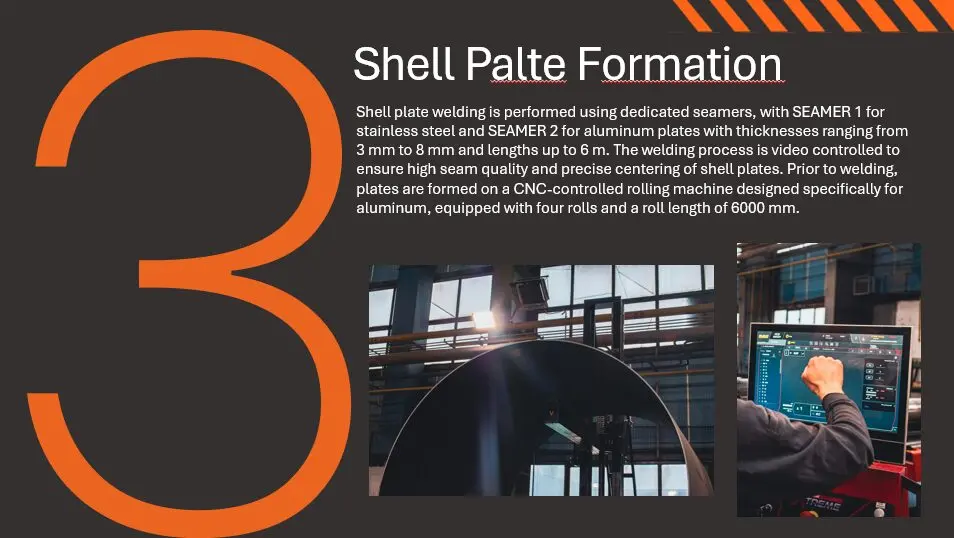
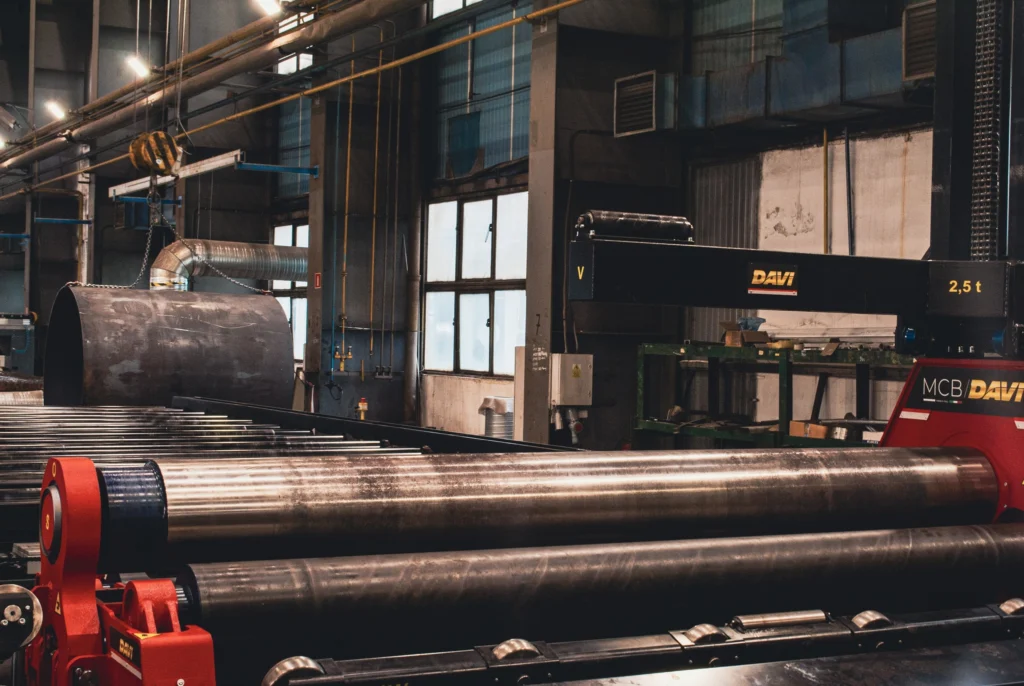
Our Elbląg facility has launched a new, fully automated line for rolling steel tank shells. The state-of-the-art equipment from Davi Promau is now an integral part of our production line, significantly accelerating and streamlining the shell forming process while ensuring the highest precision and repeatability. Initial tests and calibrations were completed successfully, confirming the system’s reliability and operational efficiency. With increased automation, we are able to optimize production times and enhance overall productivity. The time needed to produce one roll of sheet metal ready for further assembly has been reduced several times over.
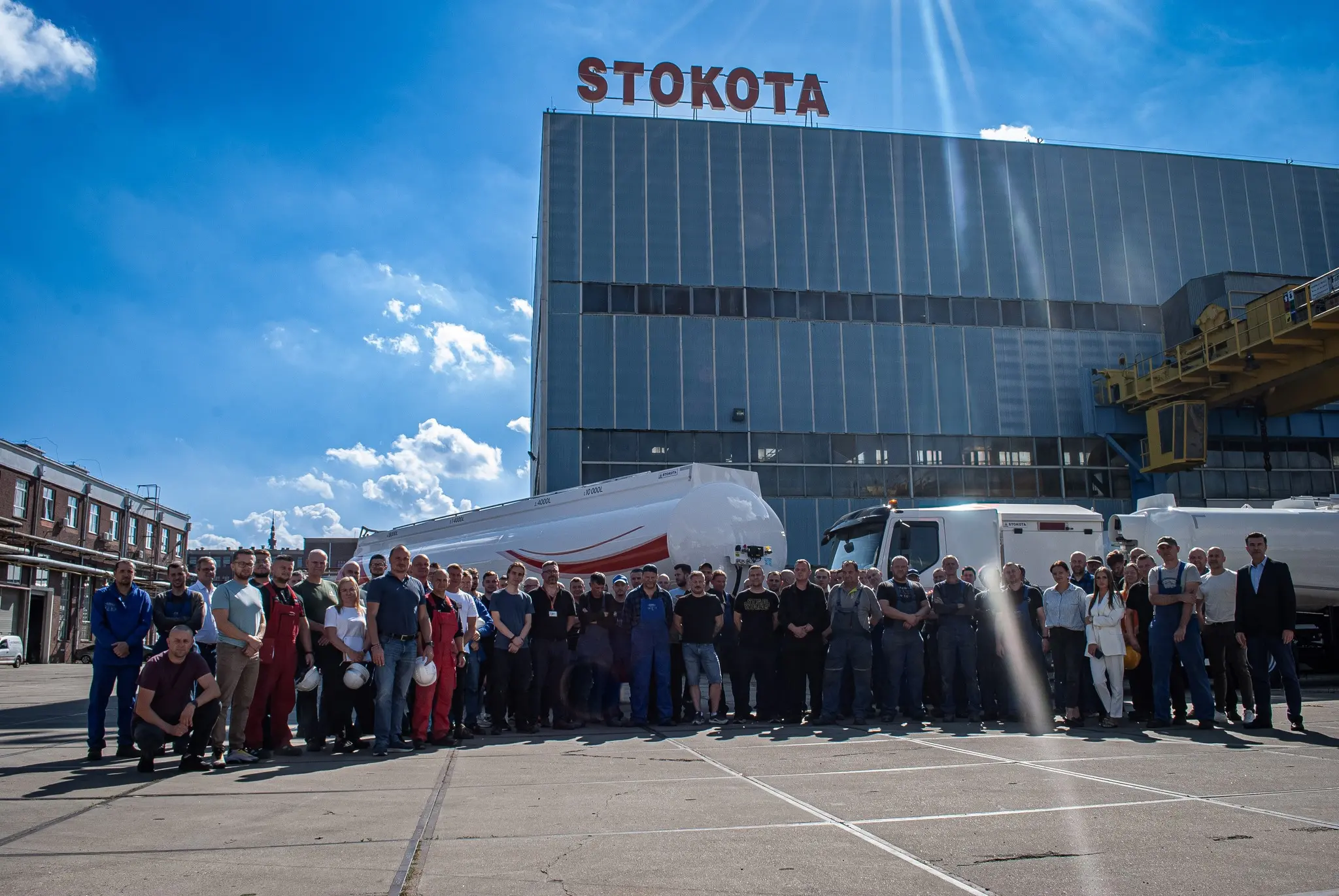
Every day brings new challenges. But what would work be without raising the bar every day? At Stokota, we know that every day brings us closer to new opportunities, partnerships and new orders. Therefore, we would like to remind you about our ongoing recruitment process and comprehensive cooperation in the areas of PR, marketing and production.


.jpg)